How to Choose Safe and Licensed Bitcoin Casinos in Canada in 2026: A Player's Guide to Fair Play, Security, and Responsible Gambling
How to Choose Safe and Licensed Bitcoin Casinos in Canada in 2026: A Player's Guide to Fair Play, Security, and Responsible Gambling
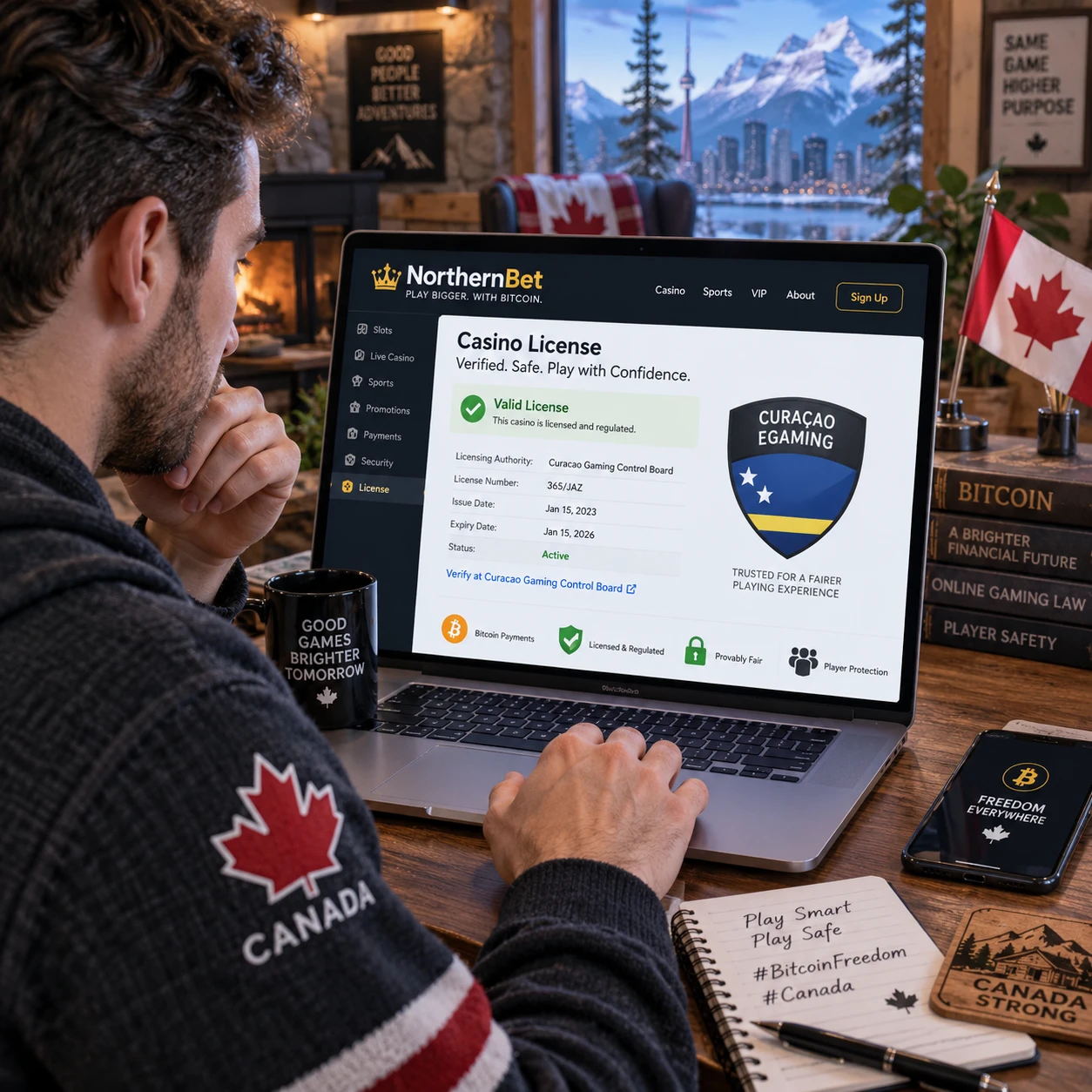
I've watched the Canadian online gambling scene shift pretty hard these past few years, and heading into 2026, Bitcoin casinos have gotten impossible to ignore. The appeal is obvious — instant deposits, withdrawals that don't take three business days, and a level of privacy traditional banking just can't touch. But with that growth comes a messier side too: unlicensed operators popping up overnight, fake review sites dressed up to look credible, and players losing crypto they'll never see again because they skipped the homework.
I've spent a fair chunk of time poking around this space, partly out of curiosity and partly because friends kept asking me which platforms were actually legit. So I figured I'd put together something practical — a real guide for Canadian players who want to enjoy crypto gambling without getting burned. This isn't about telling you where to play. It's about teaching you how to spot the difference between a casino that respects its players and one that's just waiting for the right moment to disappear with your Bitcoin.
What Makes a Bitcoin Casino 'Safe and Licensed' in Canada?
The word 'licensed' gets thrown around way too loosely in crypto gambling marketing, and honestly, that's part of the problem. A safe Bitcoin casino isn't just one that looks polished or has a slick interface — it's one that operates under a recognized regulatory framework, discloses who actually owns it, and treats dispute resolution as a real obligation, not an afterthought bolted on for show.
Understanding Canadian Gambling Regulations
Canada's gambling regulation is, to put it mildly, a patchwork. Ontario, through AGCO and iGaming Ontario, has built one of the more structured frameworks in the country, requiring operators to hold a provincial license to legally serve players there. Outside Ontario, most provinces still lean on provincial lottery corporations for regulated options, which leaves a gap. Plenty of crypto casinos fill that gap by operating under offshore licenses instead — most commonly from Curaçao, and increasingly from Malta's MGA, which tends to apply stricter standards.
Neither offshore model is inherently bad. But the rigor behind them varies a lot. Curaçao licensing has historically caught flak for weak enforcement, though reforms rolled out in recent years have tightened things up somewhat. Malta, by comparison, demands more from operators — more audits, more player protection, less wiggle room.
Why Licensing Matters for Crypto Casinos
Here's the thing that makes licensing especially important for Bitcoin casinos specifically: crypto transactions are basically irreversible. If a traditional online casino refuses to pay out, you at least have chargeback options through your bank or card provider. With Bitcoin, once it's sent, it's gone. No undo button. A legitimate license means there's a regulatory body you can escalate complaints to, a paper trail of accountability, and in better cases, mandated segregation of player funds from the operator's own capital.
Key Features of Trustworthy Bitcoin Casinos
Beyond the license itself, there are a few technical markers I always check before trusting a platform with my own funds:
- SSL encryption on every page, not just the login screen — check for the padlock icon and steer clear of any site throwing security warnings
- Provably fair algorithms that let you independently verify game outcomes using cryptographic hashes, instead of just taking the casino's word for it
- Independent audits from recognized firms like eCOGRA or iTech Labs, which test random number generators and payout percentages
- Clear, readable terms and conditions — if the bonus terms are buried in legal jargon designed to confuse, that's a signal worth noting
Provably fair systems are especially worth understanding if you're new to crypto gambling. They let you check, mathematically, that a dice roll or card shuffle wasn't manipulated after the fact. Most legitimate Bitcoin casinos build this into their platform because transparency is part of the pitch — it's not an add-on, it's the point.
How to Verify a Casino's License and Reputation
I treat this like due diligence before any financial commitment, because that's essentially what depositing crypto into a casino is. My checklist usually looks something like this:
- Cross-check the license number directly on the regulator's official website — don't trust a badge or logo on the casino's homepage alone, since these can be faked
- Search for verified player reviews on independent forums, not just testimonials hosted on the casino's own site
- Look into payout history and complaint patterns through gambling community discussion boards
- Check how long the casino has been operating and whether it has a consistent track record
Using Trusted Canadian Resources for Verification
One thing I always tell Canadian players worried about fraud or illegal operators: lean on established industry resources rather than relying solely on the casino's own marketing claims. Organizations focused on financial crime prevention and anti-money laundering compliance in the gambling sector can give you real context on which operators actually follow proper protocols. For instance, the bitcoin casinos industry association offers guidance that helps players spot trustworthy platforms and report suspicious activity tied to financial crimes in online gambling. Resources like this exist precisely because the crypto gambling space moves fast — and regulatory bodies, let's be real, sometimes lag behind the technology.
Red Flags to Avoid When Choosing a Bitcoin Casino
Over time I've built a mental list of warning signs that make me close the tab immediately, no second thoughts:
- No visible license information, or a license number that doesn't match any record when checked
- Anonymous ownership with no corporate registration details anywhere on the site
- Absence of responsible gambling tools like deposit limits or self-exclusion options
- Bonus offers that sound too generous to be sustainable — like 500% match bonuses with vague wagering requirements
- Customer support that takes days to respond or disappears entirely once you ask about withdrawals
If a casino hits two or more of these, that's a hard pass for me. Doesn't matter how good the game selection looks.
Responsible Gambling Practices for Crypto Players
Crypto gambling brings a unique challenge: the friction that normally slows down impulsive spending with traditional banking just isn't there. No waiting for a bank transfer to clear. No second-guessing moment while your card processes. Bitcoin moves fast, and that speed can work against you if you're not deliberate about your limits.
Setting Deposit and Loss Limits
Most reputable licensed casinos now build deposit and loss limit tools directly into account settings. I'd strongly push you to set these before your first deposit, not after a rough session when it's too late to feel rational about it. Some platforms also let you set session time limits, which helps break that 'just one more round' thinking crypto's instant transactions make way too easy to fall into.
Recognizing Signs of Problem Gambling
Chasing losses, hiding deposit activity from family, feeling anxious when you're not actively playing — these are all signals worth taking seriously. Canadian players can reach out to provincial responsible gambling helplines. Most provinces have dedicated support lines, and organizations like the Canadian Centre on Substance Use and Addiction offer resources specifically tailored to gambling concerns.
Best Practices for Secure Bitcoin Deposits and Withdrawals
Security doesn't stop at choosing the right casino — it extends to how you handle your own wallet too. A few habits I follow pretty religiously:
- Use a hardware or reputable software wallet rather than leaving large balances sitting on exchanges
- Enable two-factor authentication on both your wallet and your casino account
- Check the casino's stated withdrawal processing times before depositing, and test with a small withdrawal first
- Keep records of every transaction, both for your own security tracking and for Canadian tax reporting purposes, since crypto gambling winnings can carry tax implications depending on your situation
Conclusion
Choosing a safe Bitcoin casino in Canada in 2026 really comes down to patience and verification. Prioritize platforms with legitimate, checkable licenses. Lean on trusted industry resources when you're unsure about an operator's legitimacy. Watch for the red flags I've laid out here, and don't let flashy bonuses override common sense. And above all — treat responsible gambling tools as non-negotiable, not optional extras you'll get to eventually.
Crypto gambling can be a genuinely fun, fast, and private way to play. But only when you've done the groundwork first. Take the time to research before you deposit a single satoshi, and you'll save yourself a lot of headaches down the road.